
Latest development in Liquid Immersion Cooling Technology for Data Centres & the Cloud
In the ever-evolving landscape of Data Centres, where efficiency & sustainability reign supreme, cooling technology stands as an important frontier for innovation. Over the past two years, liquid immersion cooling has emerged as an influential force, reshaping the way data centres cover heat dissipation, enhance performance, & reduce environmental effects.
Traditionally, air-based cooling systems have been the Pillar of data centre networks. However, their limitations in handling the increasing heat loads generated by high-performance computing, supporting Generative AI & ML, have fuelled the quest for easier alternatives. Liquid immersion cooling has surged to the forefront, giving a paradigm shift in thermal management.
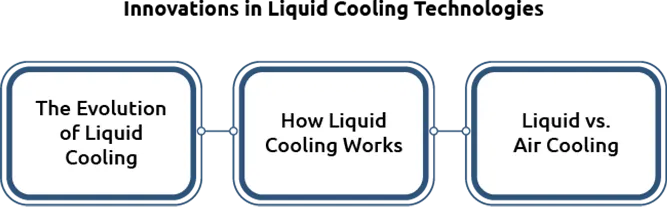
What is liquid immersion cooling about?
The principle behind liquid immersion cooling is mainly simple yet highly effective. Involving IT hardware such as servers, CPUs, & GPUs directly in non-conductive coolant fluids. This method enables direct contact between the coolant & heat-generating components, swiftly drawing away heat & maintaining optimal operating temperatures.
What’s for the planet?
The environmental benefits of liquid involment cooling cannot be overstated. Mainly reducing energy consumption for cooling purposes, these systems contribute to substantial carbon use reductions. With the global push towards sustainability, data centres adopting immersion cooling align themselves with eco-friendly practices while ensuring optimal performance.
What about the efficiency?
In addition to efficiency gains, the adoption of liquid immersion cooling has unlocked physical advantages within data centres. By eliminating the need for a huge air-cooling network, this technology optimises floor space, enabling denser hardware configurations & mainly boosting computing power per square foot.
Furthermore, the durability and reliability of hardware in immersion-cooled environments have been notably impressive. The consistent operating temperatures achieved through liquid immersion reduce thermal cycling & hotspots, reduce the risk of component failures, & enhance overall system stability.
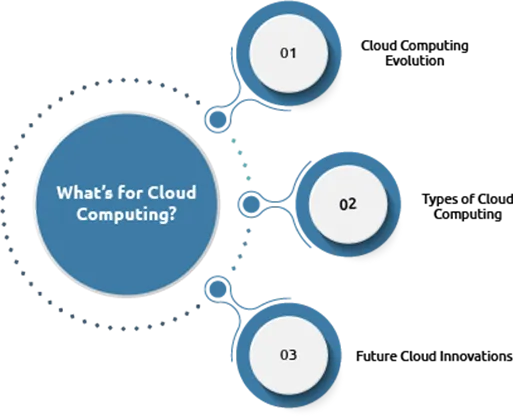
What’s for Cloud Computing?
Integrating liquid immersion cooling within a cloud computing network presents a multitude of benefits. As cloud computing continues to expand, driving the digital transformation across industries, the efficiency gains from liquid immersion cooling are poised to amplify its impact further.
Cloud computing depends on high-performance servers & data centres to deliver fast & easy services. Involvement of cooling ensures these servers maintain optimal operating temperatures, thereby improving their performance. This means improved response times, better reliability, & enhanced user experiences for cloud-based applications. The environmental advantages of liquid immersion cooling align seamlessly with the sustainability goals of many cloud service providers. Mainly minimizing the carbon use through lower energy use for cooling purposes, cloud computing can embrace a more eco-friendly approach, appealing to environmentally conscious users & meeting regulatory requirements.
With the development of edge computing, where data processing occurs closer to the point of data generation, immersion cooling’s space-saving, efficient thermal management & heat exchange capabilities become huge. This technology can be deployed in edge data centres or micro-data centres, enabling powerful computing in constrained spaces, & heating local services while maintaining optimal performance.
The past two years have witnessed a transformative phase in data centre cooling, propelled by liquid immersion technology. Its capacity to address the escalating demands for performance, sustainability, & space use positions it as a main element of a future-ready data centre network. As businesses increasingly prioritise efficiency & environmental responsibility, the ascent of liquid immersion cooling stands as a testament to innovation driving progress in the digital age.
Conclusion:
As data centers grow more powerful & energy-use, traditional cooling methods are no longer enough. Development in liquid cooling gives a smarter, more efficient way to manage heat, minimize energy use, & support high-performance computing. With solutions like direct-to-chip & immersion cooling, the industry is moving toward a cooler, greener, & easier future.
Did you know?
As demand for usable, energy-efficient cooling systems with AI, HPC, & IoT growth, innovations like immersion cooling boost efficiency. Europe’s focus on net-zero goals and lower carbon use further fuels adoption, despite high costs & standardization challenges. Main players include Asetek, Asperitas, & Submer, contributing to the market’s robust expansion.
FAQ
1. What is liquid cooling in data centers?
Liquid cooling uses liquids like water or special coolants to reduce heat from servers more easily than air cooling.
2. Why is liquid cooling better than air cooling?
Liquid cooling transfers heat faster, uses minimum energy, saves space, & keeps high-performance systems cooler.
3. What are some innovations in liquid cooling?
Some main innovations include direct-to-chip cooling, immersion cooling, and rear door heat exchangers.
4. Is liquid cooling safe for IT equipment?
Yes, when designed properly, liquid cooling systems use safe, non-conductive liquids that do not harm electronic components.
5. Can liquid cooling help save energy?
Yes, it reduces the need for large air conditioners, lowers electricity use, & enhances overall cooling efficiency in data centers.
