
Optimizing energy efficiency is more important in the data center. As companies strive to reduce costs, increase sustainability, and minimize environmental impact, the role of AI-driven energy management solutions becomes mainly important.
AI-driven machine learning solutions can transform the way companies use energy. From minimizing costs to improving sustainability profiles, AI in energy management is a game-changer for businesses looking to stay ahead of the curve.
How AI and Machine Learning Optimize Energy Consumption
AI energy management mainly works by analyzing & analysing huge energy consumption data. Advanced algorithms & machine learning models identify these data sets’ patterns, anomalies, & trends. These insights allow for more accurate forecasting of energy needs & better decision-making, minimizing energy waste.
For example, AI can analyze office energy usage patterns to adjust temperature & lighting based on use & external weather conditions, minimizing energy consumption without compromising comfort. Better still, as machine learning models develop & learn from new data, they continuously improve their predictions & recommendations.
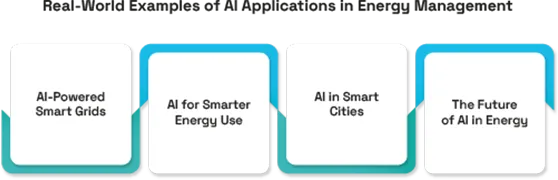
Real-World Examples of AI Applications in Energy Management
There are already numerous success stories showcasing the effectiveness of AI in energy management. Google’s DeepMind AI system, for instance, was able to reduce the energy used for cooling Google’s data centers by a remarkable 40%. It achieved this by predicting the data center’s future cooling requirements & adjusting systems accordingly.
In another example, Verdigris Technologies, a leading AI energy management company, uses AI to analyze huge amounts of data from electrical panels. This allows them to predict equipment failures before they occur, reducing downtime & maintenance costs while ensuring optimal energy usage.
Such real-world applications have proven the efficacy of AI energy management solutions, demonstrating how they can make genuine & measurable contributions to energy optimization & sustainability objectives. AI’s data-driven approach can minimize waste, optimize energy usage, & substantially cut costs, all while reducing our environmental impact.
Benefits of AI in Energy Management
Utilizing AI for energy management presents significant benefits. Businesses can considerably reduce costs & contribute to environmental sustainability by optimizing energy usage.
Cost Reduction Through AI-Driven Energy Optimization
Cost reduction is one of the most useful benefits of using AI energy management. Energy is a significant overhead for many organizations. Businesses can drastically cut their energy bills through the smart & efficient use of energy. AI-driven solutions achieve this by identifying inefficiencies in energy consumption & making strategic recommendations to fix them.
By predicting peak energy demand periods, AI can suggest shifting non-useful operations to off-peak hours, minimizing energy costs. With predictive maintenance capabilities, AI can predict equipment malfunction or inefficiencies, allowing timely action that save costly repairs or replacements & unnecessary energy wastage.
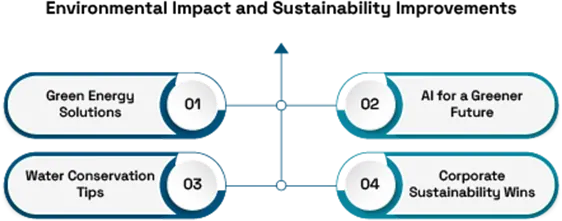
Environmental Impact and Sustainability Improvements
Besides cutting costs, AI-driven energy optimization also aids in improving environmental sustainability. As businesses increasingly acknowledge their roles in combating climate change, they face pressure from regulatory bodies, customers, & investors to use sustainably.
AI is a powerful tool for this purpose. Companies can minimize greenhouse gas use & their carbon footprint by optimizing energy usage. AI can help shift toward usable energy sources, addressing their intermittent nature. AI can predict wind patterns to optimize wind energy production or cloud cover to maximize solar energy development.
Companies can minimize resource waste due to equipment breakdowns by predicting & navigating equipment failures. AI energy management boosts the bottom line and the green line, helping firms to operate more sustainably while improving their environmental reputation.
Implementing AI Solutions for Energy Management
Adopting AI-driven systems in the energy network can revolutionize the management of energy use. However, there are also challenges to overcome to implement these solutions successfully.
Integration of AI-Driven Systems in Energy Infrastructure
The integration of AI solutions into existing energy systems marks a significant transformation in energy management. AI-driven systems are enhanced from machine learning models that predict energy usage patterns to Internet of Things devices that manage & control energy use in real time.
These AI energy management systems are often cloud-based, meaning you can easily access them from anywhere and scale them up or down depending on the needs of the business. Integrating these solutions with the installation of sensors on energy-consuming devices. These sensors collect data that AI then analyzes.
The AI then predicts energy consumption trends, identifies inefficiencies, & gives recommendations for optimization. It can automate certain processes, such as adjusting heating control or lighting based on occupancy & environmental conditions. The result is an intelligent energy management system that optimizes energy consumption, reduces costs, & aids in sustainability efforts.
Overcoming Challenges in Adopting AI for Energy Optimization
Despite the immense potential of AI in energy management, there are challenges to overcome. One significant challenge is transitioning from traditional energy management practices to AI-based systems. This requires a shift in mindset and often an investment in new technologies & staff training.
Technological challenges develop, such as ensuring the secure data transfer from IoT devices to the AI system. The huge data these systems generate also requires substantial storage & processing power.
The AI models’ ability to accurately predict energy consumption & optimize usage is directly proportional to the quality & quantity of data they’re fed. Data collection, management, & analysis are important.
Conclusion
AI-powered energy optimization is developing how industries manage power use, enabling smarter decisions, improved efficiency, & cost savings. By counting real-time data & predicting energy demands, AI systems help minimize waste & manage sustainability goals. As energy needs grow & environmental concerns develop, using AI for energy optimization is not just a technological advancement, it’s an important need for a more usable & eco-friendly future.
Did You Know?
For industrial facilities, optimizing energy use can be a difficult puzzle of managing production demands and distributed energy resources. The latest artificial intelligence technologies for energy management can transform this puzzle into a complete advantage.
FAQ
What is AI-powered energy optimization?
AI-powered energy optimization uses artificial intelligence to analyze energy usage patterns, predict demand, and adjust systems for maximum efficiency and minimal waste.
How does AI help reduce energy consumption?
AI systems monitor and analyze data in real time, enabling dynamic adjustments that reduce unnecessary energy use, optimize operations, and lower utility costs.
Which industries benefit from AI energy optimization?
Industries like manufacturing, data centers, commercial buildings, and utilities benefit greatly from AI-driven energy management through improved performance and sustainability.
Is AI-based energy optimization expensive to implement?
While there may be upfront investment costs, many organizations see a quick return through energy savings, operational efficiency, and reduced environmental impact.
Can AI help meet sustainability goals?
Yes, by optimizing energy use and reducing emissions, AI supports environmental initiatives and helps companies meet their sustainability and ESG targets.
