In the technological environment, there is a new concept that is receiving increased attention in the way data is collected, analyzed and used this is known as edge computing. This transformation is quite apparent in how it supports and challenges the existing models of cloud computing data centers & gives the data ecosystem a more resilient environment.
The idea is as basic as the decentralization of computing from the main facilities where the sources of data are. Still, the significance is great, ranging from performance to security from the formation of data center architecture in the cloud computing environment to actual users.
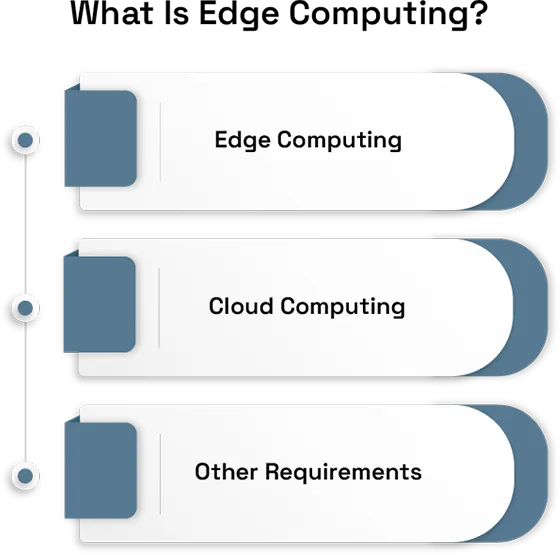
What Is Edge Computing?
Edge computing is a paradigm that suggests the analytic processing of the data originate from different edges of the network. It involves the involvement of certain parts of the data processing within edge devices in contrast to complete transfer of data to centralized cloud computing centers.
This is especially important in applications like self-driving cars, industrial automation and smart cities. Through the processing of data at or very close to where it is generated, the latency is reduced and the bandwidth usage is improved.
The Shift from Centralized to Distributed Models
Data centers in cloud computing have many years depended on traditional data centers to store and process data. They have been driving the internet services, apps, and data processing for many years. However, the exponential nature of data now prompted by IoT, AI, and mobile devices has exposed some of the limitations of this model.
As a result, organizations are accepting edge computing to reduce the dependence on centralized cloud-based data centers.
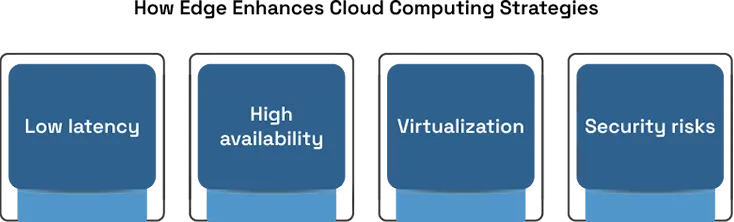
How Edge Enhances Cloud Computing Strategies
Rather than replacing the cloud, edge computing enhances it. Think of edge as an extension, not a competitor to existing cloud data centers in cloud computing infrastructure. The cloud still manages long-term storage, heavy analytics, and machine learning training, while the edge handles immediate data needs.
This has the virtue of reminding one of a virtual data center in cloud computing environment where resources are consolidated and flexibly installed as may be required. Edge computing brings an additional ability of being responsive and it is suitable for designs that require low latency and high availability.
However, edge technologies also facilitate the virtualization process of data centers in cloud computing and provide flexibility where workloads can move to centralized or edge locations according to the demand.
Virtualization: The Invisible Engine
Edge computing wouldn’t be possible without virtualization the backbone of scalable digital infrastructure. Virtualization creates the ability to run multiple virtual machines on a single physical server, giving rise to the modern virtualized data center in cloud computing ppt frameworks.
With edge devices often being resource-constrained, virtualization allows for efficient resource use, quick deployment, and easier scaling critical factors in environments with fluctuating workloads.
Edge Meets AI: A Smart Synergy
Data is important for both AI and edge computing. Together, they unlock a new level of intelligence at the edge of the network. Tools like Grok AI, for example, are designed to operate in real-time and benefit greatly from edge computing’s localized processing model.
By analyzing data right where it’s generated, AI models can react faster and more intelligently, whether that means detecting equipment failures in manufacturing or optimizing delivery routes in logistics.
Impact on Data Centers
Edge computing doesn’t spell the end of data centers; instead, it’s prompting an evolution. We’re seeing a rise in hybrid infrastructures that combine edge nodes with public cloud data centers and private clouds.
This hybrid model is influencing data center trends worldwide. For example, traditional facilities are being redesigned with edge compatibility in mind, allowing smooth integration with smaller, distributed nodes. This is reshaping data center and cloud computing strategies to be more agile and resilient.
Sustainability and Edge
Another critical area where edge computing is making a mark is sustainability. Reducing the need to transmit vast amounts of data to centralized locations means lower energy consumption and emissions.
As organizations aim to meet ESG goals, data center sustainability trends are steering toward edge-compatible infrastructure. Edge computing aligns with these efforts by promoting efficient processing and reducing the environmental impact of massive cloud computing centers.
Conclusion
Edge computing has not only become a trend; it has now become one of the significant shifts in processing and managing data. As the number of connected devices increases the need to transmit the produced data as rapidly as possible provides businesses with a competitive advantage.
The concept of edge computing along with making computer programs virtual in the data centers of cloud computing can help organizations increase their work capabilities, flexibility, and meet modern trends in the construction of the data center industry.
Edge computing brings about a lot of differences in the displaces such as the delay in data processing and even conservation. If you want to learn more about cloud data centers, or need to think about how to utilize virtual machines freshly you have to take a look at the edges of a network, as edge computing is already here..