
The world of the digital generation depends on its existence in a cloud computing data center that acts as a hub of data processing, storage, and delivery. However, these facilities consume a lot of power and produce heat as a consequence, as we shall see later on. Originally, this heat was considered a waste owing to the modern trends in data center sustainability, but new ways of capturing this heat and utilizing it are being developed. These practices are also sustainable from an environmental perspective, but at the same time redefine data center and cloud computing.
The Problem with Heat in Data Centers
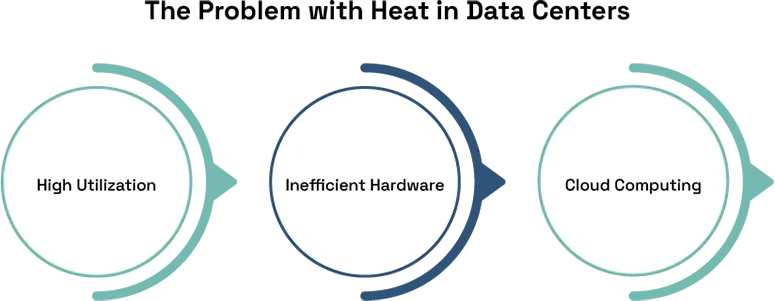
When servers, virtual machines, and networking hardware work at full capacity, they produce heat. In large cloud data center in cloud computing environments, this heat buildup can reach problematic levels. To avoid hardware damage, data centers have long relied on energy-intensive cooling systems. But as demand for digital services grows, especially through virtualized data centers in cloud computing the question arises: what if this “waste” heat could be reused instead?
Turning Waste into a Resource
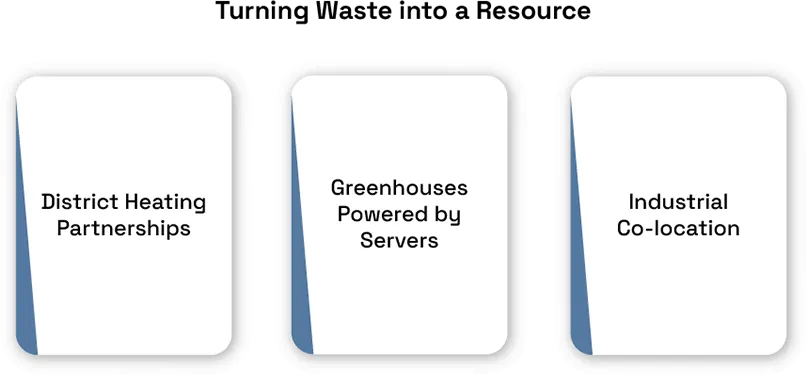
Innovative companies are taking bold steps to integrate data center architecture in cloud computing with heat recovery systems that benefit local communities, industries, and even agriculture.
1. District Heating Partnerships
Across parts of Europe, particularly in Denmark, Sweden, and Finland cloud-based data centers partner with municipalities to feed excess heat into district heating systems. Such systems give homes and businesses heating while at the same time contributing less to the use of fossil fuels. The most relevant example refers to the case of a big tech company’s data center situated in Odense, Denmark, that redistributes the waste heat to thousands of households through a local utility.
2. Greenhouses Powered by Servers
In the Netherlands, several greenhouses have tapped into nearby data centers in cloud computing as heat sources. This method helps maintain the warm temperatures needed for plant growth year-round. It’s a creative intersection of agriculture and technology that not only lowers operational costs but also advances data center industry trends toward sustainability.
3. Indoor Swimming Pools and Sports Facilities
Some urban planners have found ways to redirect server-generated heat to public pools or sports complexes. By circulating hot water from data center systems, these buildings significantly reduce their energy costs. This not only supports public infrastructure but also promotes smarter urban design through the integration of cloud computing centers.
4. Industrial Co-location
In regions with colder climates, data centers are being built adjacent to factories and manufacturing plants that require heat for production processes. These co-located systems reduce carbon footprints and enhance energy efficiency — a trend gaining traction as virtual data centers in cloud computing concepts become more modular and location-flexible.
5. Residential Heating Systems
France recently piloted a program where small server units placed in apartment buildings act as decentralized heating systems. Powered remotely and monitored via cloud networking, understanding cloud-based data center networks, this model provides sustainable heating while maintaining data services locally, an efficient combination of function and form.
Why This Matters
Reusing waste heat isn’t just a clever workaround it’s a important element of modern data center sustainability trends. As climate change challenges industries to lower emissions, using every watt of energy wisely is becoming non-negotiable. Additionally, as virtualization of data center in cloud computing scales up, so does the opportunity to optimize energy output.
The concept of “heat as a service” is catching on. Companies that once bore the full cost of cooling systems are now turning that cost center into a potential revenue stream or community service. This movement fits seamlessly into the broader data center trends shaping our digital future.
A New Frontier in Data Center Design
As more businesses move to public cloud data centers, the responsibility to design with sustainability in mind becomes central. The evolution of data center virtualization in cloud computing has made it possible to manage workloads more efficiently, reducing overall energy use. But heat recovery adds another layer, a proactive way to give back energy to the grid or local systems.
This practice also reflects a deeper cloud computing centers mindset shift: from isolated powerhouses to community-integrated infrastructure. Whether it’s helping a city stay warm or supporting year-round food production, data centers are becoming powerful allies in sustainability.
The Role of Technology in Waste Heat Management
Advances in sensors, automation, and AI, including tools like Grok AI, are improving how data centers manage thermal loads. Real-time analysis of temperature data helps optimize where and when to harvest heat. Combined with virtualized data center in cloud computing ppt strategies, these technologies ensure smarter use of resources and smoother integration with external systems.
Moreover, greater than sign efficiencies are being realized when cloud platforms work in tandem with physical infrastructure teams. This synergy allows better heat capture, distribution planning, and minimal energy loss across the system.