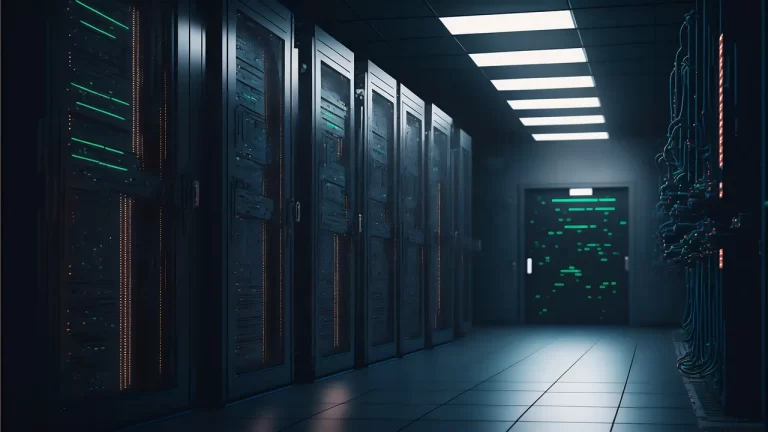
As global demand for digital services increases, the spotlight is firmly on how we power the backend of our digital lives’ data centers. These large facilities, responsible for hosting everything from your favorite apps to critical public storage, consume huge amounts of energy.
The Sustainability Imperative
Today’s business operations have transitioned to a digital-first strategy, and hence, cloud computing data centers are the heart of an organization. However, this shift is accompanied by a high energy usage level, as it transpires in the following texts. Site load and data transmission networks utilized approximately 1 to 1.5% of the entire world’s electricity in the year 2022, as the International Energy Agency has revealed. It is believed that this figure will increase in alignment with the progress in the deployment of virtual machines, banking on AI technologies such as Grok AI, as well as the increase in the spread of the data center cloud network.
Today, organizations are no longer looking for performance, but for dependability, productivity, and reliability. This is where the file trends for data center sustainability take place. From renewable energy integration to innovative cooling methods, the focus is on building eco-friendly operations that don’t compromise capacity or speed.
Innovations Driving Energy Efficiency
Let’s look at some important innovations that are helping make infrastructure more energy-efficient:
Green Energy Integration
Many data centers run by cloud service providers have accepted the use of energy from solar energy, wind energy, and hydro power energy. Big IT companies are committing to powering themselves with 100% renewable energy.
This change not only cuts down on carbon use but also creates a sustainable base for expanding cloud computing centers.
Efficient Cooling Techniques
Building a cooling system can use a data center’s up to 40%. But new trends such as liquid cooling, AI-based climate control as well as free-air cooling are reducing energy use while still keeping performance high.
Smart Load Management
Modern large cloud data centers use smart software to manage workloads across servers efficiently. This helps reduce energy waste and ensures that hardware is used effectively in cloud computing systems.
Modular and Edge Designs
The days of large server rooms are over. Modular designs let data centers grow step by step, matching energy use with actual needs. At the same time, edge computing brings processing power closer to users, which reduces the load on main systems.
AI and Predictive Analytics
Tools like Grok AI can predict when energy use will be highest, optimize resources, and cut down on power waste. These systems learn from past data to improve operations, making energy use smarter and more efficient.
The Role of Cloud in Sustainability
The advancements, such as the ones highlighted above, have been very crucial in improving data centre green solutions. Generally, the resource pooling and scalability properties of cloud platforms make it extremely cost and energy-efficient in comparison to the provision of on-premise data infrastructure. This aspect makes the environment more efficient, hence cutting down on waste and overall energy usage to the sector’s benefit.
Some examples of hyper-scale computing service providers in the industry include Microsoft, Google, and Amazon the latter being at the top. They are used in their operations to invest in sustainable technologies that have an impact on data center industry trends and force other small investors to do the same. This aspect makes the environment more efficient, hence cutting down on waste and overall energy usage to the sector’s benefit.
Future-Proofing the Frontier
The frontier of sustainable infrastructure lies in balancing innovation with responsibility. Breakthroughs in hardware design, such as energy-efficient processors and recyclable components, promise to further improve efficiency.
Moreover, developments in database center architecture, such as server virtualization and dynamic provisioning, are reducing the physical hardware needed to manage the same amount of data. This contributes directly to lower energy use and reduced e-waste.
In the meantime, the developments in cloud computing continues to evolve, with hybrid and, especially, multi-cloud solutions drive organizations to the more flexible yet effective models. The future must be built around opportunities for mitigating inefficiencies and implementing sustainability in all aspects of hardware platforms, energy generation, and processing, and data processing styles.
Real-World Examples of Impact
Companies in retail, finance, and healthcare are already seeing the benefits of green infrastructure. For instance, global retail chains are leveraging cloud computing centers to process customer data using less energy. Hospitals are moving critical applications to public cloud data centers to ensure availability and efficiency. These shifts reduce not just operational costs, but environmental impact as well.
Telecom companies are also embracing data center cloud network models to ensure high-speed, low-latency services with minimal energy draw. Each shift in this direction brings us closer to a more responsible digital ecosystem.
Final Thoughts
Creating green IT involves not only reducing the carbon use of organizations but also improving the nature of technology generation and utilization. At the same time, since the trends in data centers are constantly evolving, shifting towards environmentally friendly solutions is imperative.
Due to innovation, collaboration, and commitment, the tech industry is making it possible for us to expand technology without paying a toll to the environment. Whether the context is the management of a virtual machine, the running of a database center or keeping important records in the cloud, the type of infrastructure that you set is of significance.
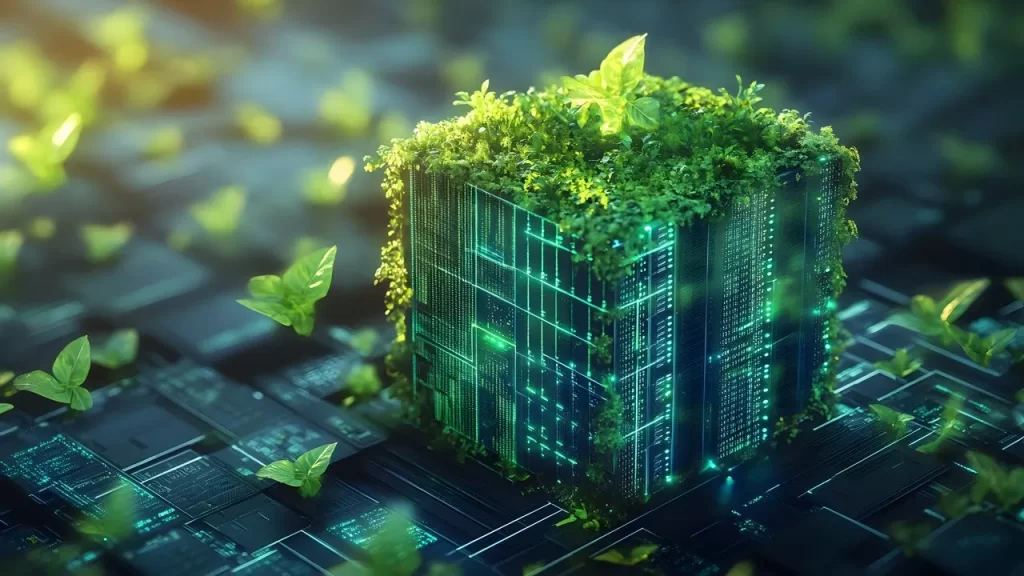
The future of digital innovation is green, and it’s happening fastly. Now is the time to get involved.